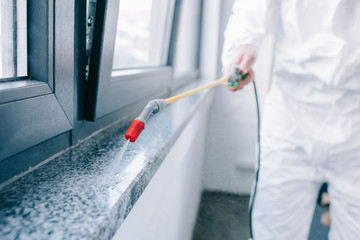
You finally schedule a pest control treatment after weeks of dealing with ants in the kitchen, cockroaches in the bathroom, or rodents hiding behind the walls. At first, everything seems perfect. The pests disappear, the house feels cleaner, and peace of mind slowly returns. Then, a few weeks or months later, you notice another insect crawling across the floor and start wondering if the treatment has already worn off. This leads many homeowners to ask one important question: how long does pest control treatment actually last?
The truth is that Pest Control Stuart treatments are not always permanent solutions. Their effectiveness depends on several factors, including the type of pest, the treatment method used, environmental conditions, and the homeowner’s maintenance afterward. Some treatments may last for weeks, while others may continue to protect the property for several months. Understanding how pest control works can help homeowners maintain long-term protection and avoid recurring infestations.
Why Pest Control Treatments Do Not Last Forever
Many homeowners expect a single treatment to solve all pest problems permanently, but pests are persistent and adaptable. Even highly effective treatments gradually lose strength over time because of exposure to weather, moisture, sunlight, cleaning products, and everyday household activity.
Pest control products are designed to target active infestations while creating a temporary barrier against future pests. However, new pests can still enter the home through cracks, gaps, open doors, and hidden entry points. If the conditions that attracted pests in the first place remain unchanged, infestations can eventually return.
Another reason treatments do not last forever is the life cycle of pests. Some insects lay eggs that survive initial applications and hatch later. In these cases, follow up treatments may be necessary to fully eliminate the infestation.
Long term pest prevention often requires a combination of professional treatment, routine maintenance, and good sanitation habits inside and outside the home.
How Long Different Pest Control Treatments Usually Last
The duration of pest control treatments depends heavily on the type of pest being treated. Different pests require different products and strategies, which affects how long the results will remain effective.
General insect treatments for ants, spiders, and common crawling insects often last between one and three months. These treatments usually create a protective barrier around entry points and high activity areas.
Cockroach treatments may last several months if combined with proper sanitation and moisture control. However, severe infestations sometimes require multiple visits because cockroaches reproduce quickly and hide in difficult areas.
Rodent control treatments can vary significantly depending on the size of the infestation and how well entry points are sealed afterward. Traps and bait stations may need ongoing monitoring and maintenance to prevent new rodent activity.
Termite treatments tend to last much longer than standard pest control services. Some termite barriers remain effective for several years when applied properly and maintained regularly. However, routine inspections are still necessary because termites can return if moisture issues or structural vulnerabilities remain.
Bed bug treatments often require follow up visits because eggs may survive initial treatments. Full elimination usually depends on proper preparation, monitoring, and repeated inspections.
Factors That Affect How Long Pest Control Lasts
Several factors influence how long pest control treatments remain effective inside a home. Understanding these factors can help homeowners maximize the lifespan of their pest protection.
One of the biggest factors is cleanliness. Food crumbs, spills, standing water, and clutter attract pests even after treatment has been completed. Homes with ongoing sanitation issues may experience faster reinfestation because pests continue finding food and shelter.
Weather conditions also affect treatment longevity. Heavy rain, extreme heat, and humidity can reduce the effectiveness of outdoor treatments by washing away protective barriers or breaking down chemical compounds more quickly.
The severity of the original infestation matters as well. Larger infestations often require more extensive treatment plans and additional follow up visits. A minor ant problem may disappear after one treatment, while a widespread cockroach infestation could require ongoing management.
Structural issues around the home can also shorten treatment effectiveness. Cracks in walls, gaps around windows, damaged screens, and openings near pipes provide easy entry points for pests. If these problems are not repaired, new pests may continue entering the home despite recent treatment.
Why Follow Up Treatments Are Sometimes Necessary
Many pest control services involve more than one visit, especially for stubborn infestations. Homeowners are sometimes surprised to still see pest activity after the initial treatment, but this does not always mean the treatment failed.
Certain pests continue appearing temporarily because treatments need time to work fully. Insects exposed to products may leave hiding areas before dying, which can make activity seem worse at first. Eggs and hidden colonies may also survive initial applications and require follow up treatment to eliminate newly hatched pests.
Rodents are another example where ongoing monitoring is often necessary. Traps and bait stations may reduce populations gradually over time rather than immediately removing every rodent at once.
Follow up treatments allow pest control professionals to evaluate progress, adjust treatment strategies, and target remaining activity more effectively. In many cases, regular maintenance visits provide the strongest long term protection against recurring infestations.
How Homeowners Can Extend Pest Control Effectiveness
Homeowners play a major role in determining how long pest control treatments last. Even the most effective treatment can lose its impact quickly if the home continues attracting pests.
Keeping the home clean is one of the most important preventive steps. Kitchen surfaces should be wiped regularly, crumbs should not remain on floors, and food should always be stored in sealed containers. Trash should also be removed frequently to avoid attracting insects and rodents.
Moisture control is equally important because many pests depend on water sources to survive. Leaking pipes, damp basements, and standing water around the home should be addressed promptly.
Sealing entry points can dramatically improve long term pest prevention. Small cracks, gaps around doors, and damaged window screens should be repaired to reduce access points for insects and rodents.
Outdoor maintenance also matters. Overgrown vegetation, cluttered storage areas, and piles of debris near the home create ideal hiding spots for pests. Keeping outdoor spaces clean and organized helps reduce pest pressure around the property.
Following aftercare instructions from pest control professionals is another important step. Some treatments require homeowners to avoid cleaning certain areas immediately after application so products can remain effective longer.
Seasonal Changes and Pest Activity
Pest activity changes throughout the year, which affects how long treatments appear to last. During warmer months, insects such as ants, mosquitoes, and cockroaches become more active because heat and moisture support breeding.
Rainy weather can drive pests indoors as they search for dry shelter. Outdoor treatments may also weaken faster during periods of heavy rain.
Cold weather often increases rodent activity because mice and rats seek warmth inside homes. Even if previous treatments were successful, seasonal changes can introduce new pest activity later in the year.
Because of these seasonal patterns, many homeowners schedule routine pest control treatments every few months to maintain continuous protection. Preventive maintenance is often more effective than waiting for a major infestation to appear.
The Difference Between Preventive and Reactive Pest Control
Some homeowners only schedule pest control after noticing visible pest activity. This reactive approach may solve immediate infestations, but it often allows pests to return later because underlying risk factors remain.
Preventive pest control focuses on ongoing protection instead of emergency treatment. Regular inspections and maintenance treatments help identify issues early before infestations become severe.
Preventive services often involve monitoring entry points, maintaining protective barriers, and addressing environmental conditions that attract pests. This proactive approach usually results in fewer infestations and longer lasting results.
Homes located near wooded areas, open fields, water sources, or older structures may benefit especially from preventive pest control because these environments tend to attract more pest activity throughout the year.
Are Eco Friendly Treatments Shorter Lasting?
Many homeowners are interested in environmentally friendly pest control methods because they want safer options for children and pets. One common concern is whether eco friendly treatments last as long as traditional pest control products.
The answer depends on the specific treatment method being used. Some natural and low toxicity treatments may break down more quickly in the environment, requiring more frequent applications. However, modern integrated pest management strategies often combine prevention, monitoring, and targeted treatments to create long lasting results without excessive chemical use.
Eco friendly pest control frequently focuses heavily on sanitation, exclusion, and habitat reduction. By removing the conditions that attract pests, these approaches can sometimes provide durable long term protection even with reduced chemical application.
Choosing the right pest control method often depends on the type of infestation, household preferences, and the overall condition of the property.
Final Thoughts
Pest control treatments can last anywhere from a few weeks to several years depending on the type of pest, the treatment method, and the condition of the home. General insect treatments often remain effective for one to three months, while termite protection may last much longer with proper maintenance and monitoring.
Several factors influence treatment longevity, including cleanliness, weather conditions, structural maintenance, and seasonal pest activity. Follow up visits are sometimes necessary because certain pests reproduce quickly or remain hidden during the initial treatment process.
Homeowners who combine professional pest control with strong prevention habits usually experience the best long term results. Cleaning regularly, sealing entry points, reducing moisture, and maintaining outdoor areas all help extend the effectiveness of pest control treatments.
Pest control is not simply about removing visible insects or rodents for a short period of time. It is about creating a healthier, safer, and more comfortable home environment through ongoing prevention and maintenance. With the right approach, homeowners can enjoy lasting protection and greater peace of mind throughout the year.